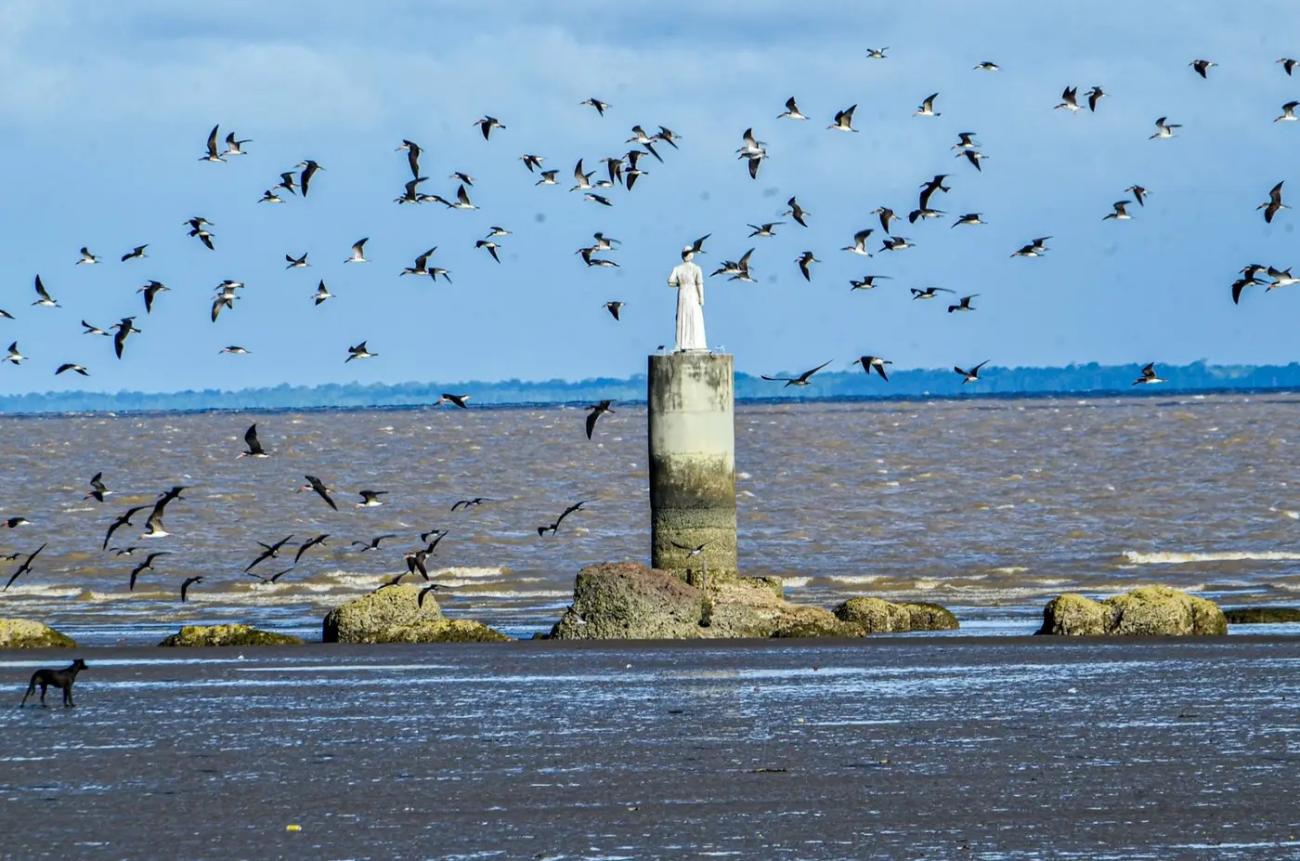
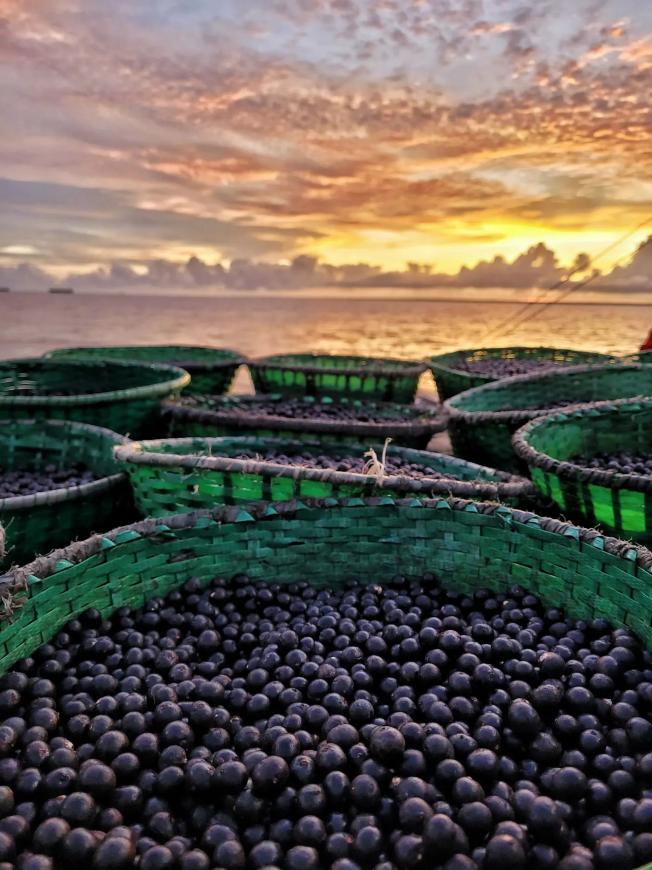
 Amapá is one of 27 federal states of Brazil, located in the northeast of the North Region, on the Guiana Plateau. With a territory of 142,828.521 km², it is the 18th largest state in Brazil and, according to estimates by the Brazilian Institute of Geography and Statistics (IBGE), its population was 877,613 inhabitants in 2021.
It is bordered by the state of Pará to the west and south, and, together with Rio Grande do Sul, is one of two Brazilian states that border only one other state. It also borders French Guiana to the north and Suriname to the northwest, and is bathed by the Atlantic Ocean and the mouth of the Amazon River.
Amapá was dismembered from the state of Pará in 1943, when the Federal Territory of Amapá (TFA) was created. It remained in this status until 1988, when the current Federal Constitution elevated it to the status of state of the federation.
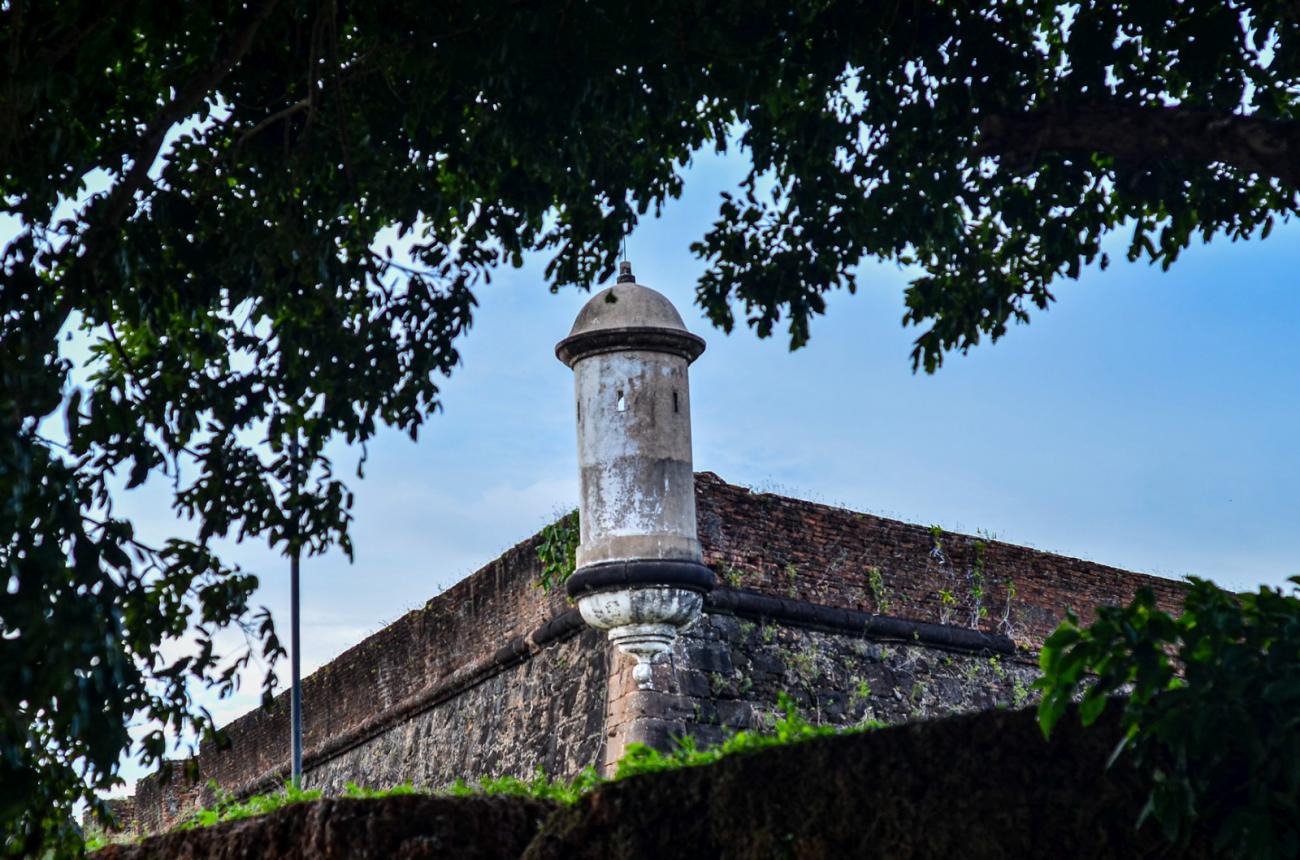
On the Brazilian flag, Amapá is represented by the star \bm{\beta} Canis Majoris. Macapá, which had been the capital of the extinct Federal Territory of Amapá since 1944, is the current capital and most populous city in the state, and is the seat of the Macapá Metropolitan Region, formed by Macapá, Santana, and Mazagão.
Other important cities include Laranjal do Jari, known for receiving workers employed in pulp manufacturing and for being directly on the border with the state of Pará. The city of Oiapoque is also very important, as it contains an arch marking the beginning of Brazilian territory, featuring quotes from the national anthem and a sign that reads: "Here Brazil Begins." With a direct border with French Guiana, the city is an important gateway for Europeans entering Brazil.